
Faces of Fusion: Pascal Dumont
Navigating the Future of Fusion with Pascal Dumont
Pascal Dumont may have been destined to work in fusion. He spent part of his childhood in the south of France, not far from the current location of the famed International Thermonuclear Experimental Reactor (ITER). Today, he lives near Ottawa, Canada, and is recognized internationally as a key player in global efforts to develop a robust regulatory pathway for fusion energy.
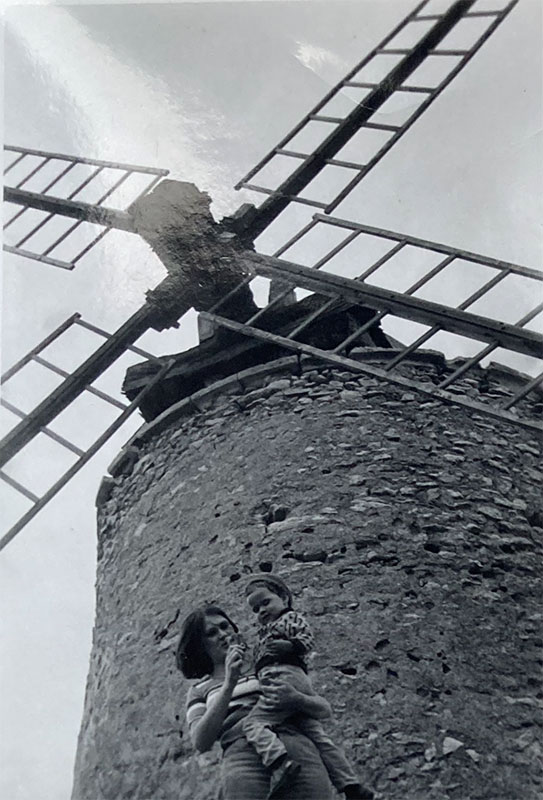
Pascal Dumont enjoys collaboration. As a regulator with the Canadian Nuclear Safety Commission (CNSC) in the late 2010s, his most rewarding projects involved collaboration with industry to adapt existing nuclear regulations to the emerging class of small modular reactors. “When I was working on advanced nuclear reactor regulations, what I enjoyed most was direct consultation with industry. You have no choice as a regulator. If there is something new coming down the pike, how can you figure it out sitting in your office? You need to get to the designer and understand the details because there is no way you can frame a licensing pathway without really understanding.”
Today, Pascal is still applying that philosophy to his work, but now he sits on the other side of the desk as a representative of the fusion industry. He joined Type One Energy in 2023 and now serves as Vice President of Regulatory Affairs & Licensing. For nearly three years, he has been working closely with regulators in the U.S. state of Tennessee to develop a robust regulatory framework for a commercial fusion power plant to be deployed at TVA’s Bull Run Energy Complex in East Tennessee.
“In 20 years, this will all be mainstream. We’ll have specific regulations based on the operating experience of fusion machines. But, for now, the designer and the regulator need to work very closely together.”
Understanding Fusion Energy
Fusion has long been considered the ultimate sustainable energy source with zero carbon emissions, abundant fuel derived from seawater, and no high-level radioactive waste. But, as Pascal Dumont explains, “Getting a license for something that doesn’t yet exist at commercial scale certainly presents unique challenges.”
Unlike traditional fission reactors, fusion energy has a markedly different risk profile. “Fusion is one of the first new technologies producing energy that shares absolutely no risk related to fission reactors,” he states. “There’s no risk of a nuclear accident. There’s no long-lived, high-level radioactive waste. The fuel is derived from seawater.”
Due to its low-risk safety profile, the Nuclear Regulatory Commission (NRC) unanimously agreed in 2023 to license fusion machines under the byproduct materials regulatory framework. This regulatory framework, implemented by the Agreement States, is the same regulatory scheme used to license particle accelerators and nuclear medicine facilities.
Building a Regulatory Framework
The initial challenge in establishing a first-of-a-kind fusion energy project lies in developing a comprehensive regulatory framework. The concept of “safety by design” is at the heart of his work at Type One Energy. This principle emphasizes integrating safety considerations into the design process from the beginning rather than as an afterthought.
Dumont also emphasizes the importance of education and communication with regulators. “It’s a challenge of education. Once people understand the real challenges in terms of regulation and licensing for fusion, they quickly see the differences from fission power reactors.”
In Tennessee — the location of Type One Energy’s first fusion power plant project with TVA — the state has taken a proactive approach to creating a regulatory framework for fusion energy development. Tennessee is now recognized as a leader in fusion energy, with a dedicated regulatory pathway that serves as a model for other jurisdictions worldwide. This responsive regulatory framework based on “safety by design” principles is essential for fostering innovation and ensuring safe, sustainable energy production.
“Tennessee is the first state in the United States that has a dedicated rule for fusion,” Pascal said. “The work we are doing at Bull Run with TVA and the Tennessee Department of Environment & Conservation is now a model for regulatory bodies around the world.”
Pascal recently returned from an international regulatory conference at the International Atomic Energy Agency (IAEA) in Vienna, where Type One Energy’s initial licensing submission under Tennessee’s new fusion regulation was held up as a model for discussion.
Community Collaboration
The success of fusion energy hinges not just on technology but on collaboration among various stakeholders, including regulators, local communities, and industry partners. Dumont notes that integrating the project with local organizations and government entities significantly enhances social acceptance. “When you have a project well-integrated with regional forces, social acceptance is much more feasible.”
Dumont recounts how Type One Energy began engaging with regulatory bodies early in the project lifecycle. “On day two after announcing our project, we met with the regulator in Nashville. This first meeting was a three-hour discussion about our journey and how we planned to address potential risks.” This proactive approach not only builds trust but also streamlines the licensing process, making it more efficient.
Education is the key to widespread acceptance of fusion energy. “While fusion and fission are both nuclear processes, they are almost exact opposites in many ways,” Pascal says. “For example, the fuel for fusion is hydrogen gas, which is manageable and stable compared to the highly radioactive fuels used in fission.”
Even more important, the waste produced from fusion is considerably less hazardous than fission waste. “Fusion doesn’t generate long-lived waste or highly radioactive waste, which helps alleviate public fears related to fission reactors,” he explains. This understanding is crucial in garnering public support and acceptance for new fusion projects.
The Future of Fusion
Looking ahead, Dumont envisions a collaborative future where fusion energy can thrive and scale up quickly. He is set to Chair the Canadian Nuclear Society’s First International Conference on Commercial Advances in Fusion Power Plants in December 2026, bringing together fusion industry leaders and regulators from around the world. This collaborative approach underscores the importance of sharing knowledge and best practices among countries and organizations involved in the commercialization of fusion.
In the end, the journey to commercialize fusion energy is not merely about technology, it’s about collaboration, education, and a commitment to safety. “We are now at a stage of maturity that allows us to have discussions among multiple industry players globally.”
With the right regulatory framework and collaboration, fusion energy will be the key to addressing humanity’s growing energy needs. “I see my work in fusion as the culmination of my entire career,” Pascal says. “This is certainly very worthwhile and important work.”
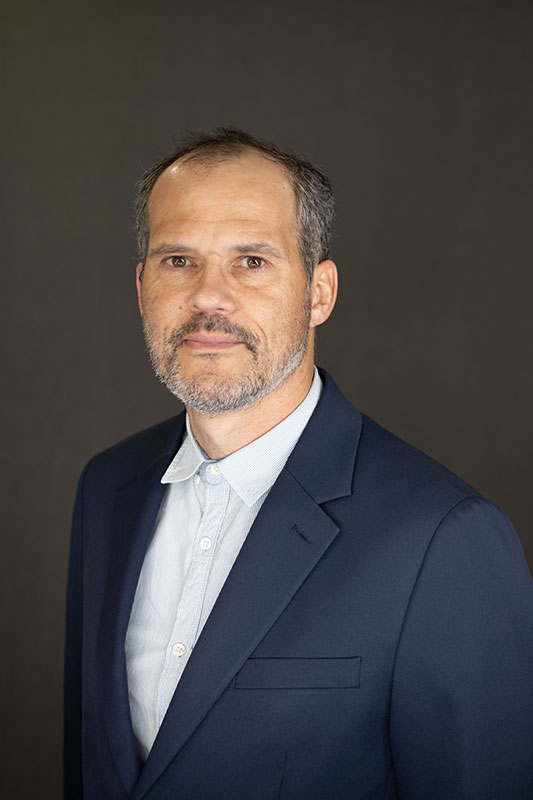
NAME: Pascal Dumont
TITLE: Vice President, Regulatory Affairs & Licensing
EDUCATION: University of Quebec in Montreal (UQAM), B.S. Earth Sciences, University of Ottawa M.S. Earth Sciences
Pascal Dumont has over 25 years of experience as a leader and scientific expert in the fields of environmental protection, energy, nuclear safety, radiation protection and regulatory affairs at the national and international levels. He has held various positions in the Canadian Government and worked as a Canadian expert at the International Atomic Energy Agency (IAEA) in Vienna before joining the Canadian Nuclear Safety Commission (CNSC) in 2017. He left is role as a senior regulatory officer in 2022 to join the emerging fusion energy industry as it began developing a new regulatory pathway. At Type One Energy since 2023, Pascal Dumont is responsible for the company’s regulatory affairs and licensing programs — including the company’s recent application for Tennessee’s first commercial fusion project at the Bull Run Energy Complex in Clinton, Tenn. He is recognized as a key player in global efforts to develop a regulatory pathway for fusion energy.
In his spare time, Pascal enjoys running, cross-country skiing and hiking. A DIY enthusiast, he builds old-school tube amplifiers and stereo systems. “I have too many speakers at home and too much gear for music!” He also plays a few musical instruments (accordion, flute and guitar) and loves jazz, folk, blues and bluegrass.
He and his wife, Natalie, have been together for 40 years and they have two children studying at the University of Concordia and Polytechique (University of Montreal). Leonard studies physics engineering while Marie-Lou is preparing to graduate with a degree in Environmental Sciences.